

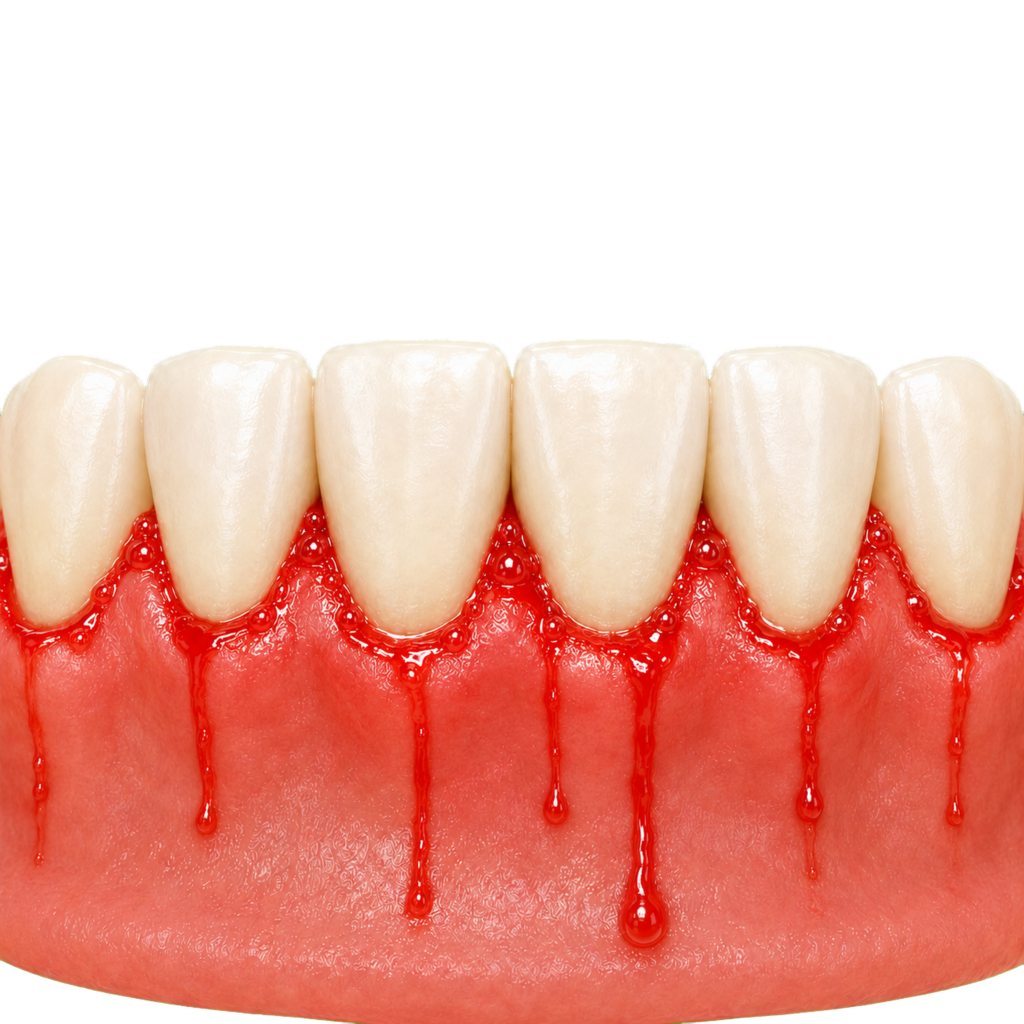
Bleeding gums while brushing your teeth or after waking up may be an early sign of gum inflammation or plaque and tartar buildup. Early diagnosis and bleeding gums treatment can help prevent the condition from progressing into periodontitis and bone loss.
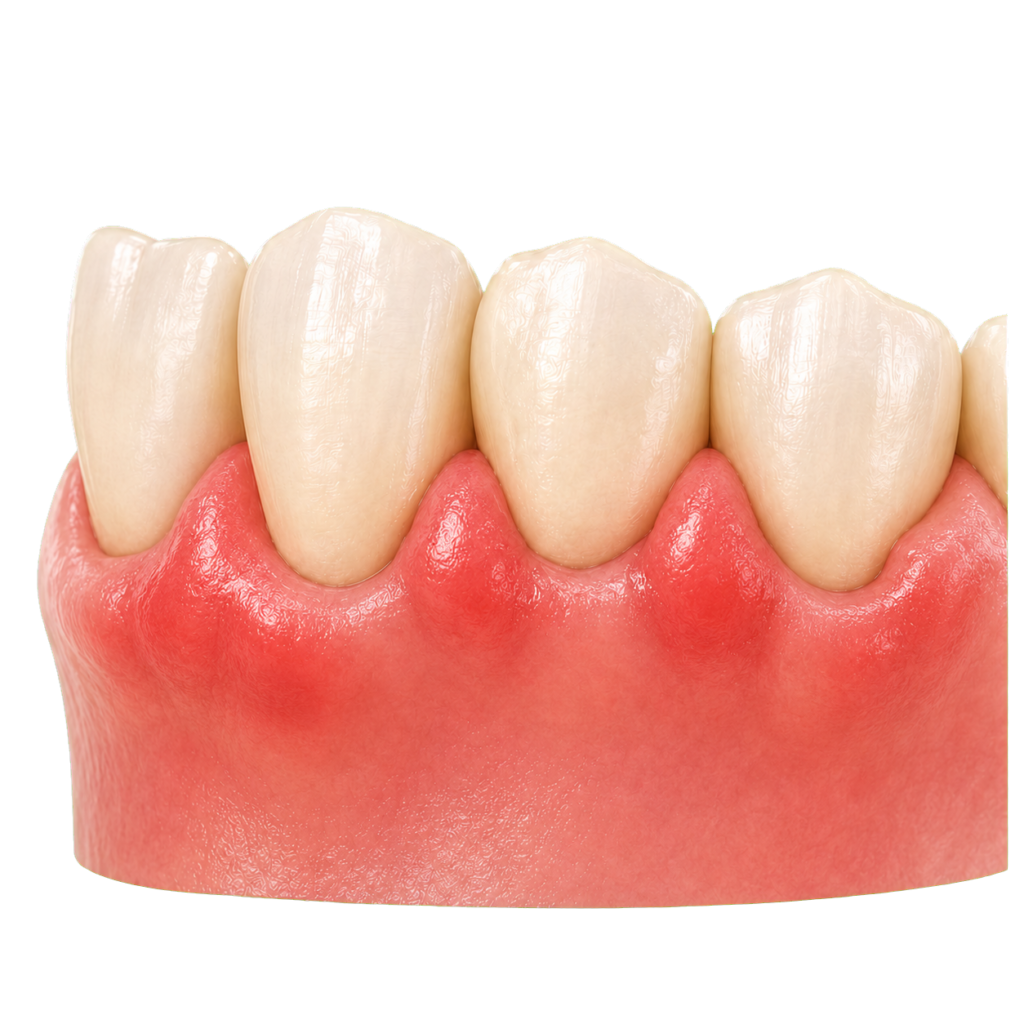
Swollen, red, or painful gums—particularly when eating or touching the area—may result from gingivitis, bacterial buildup, or a gum abscess. Swollen gums treatment focuses on identifying the cause, cleaning the affected area, and controlling inflammation to protect the gums and teeth.
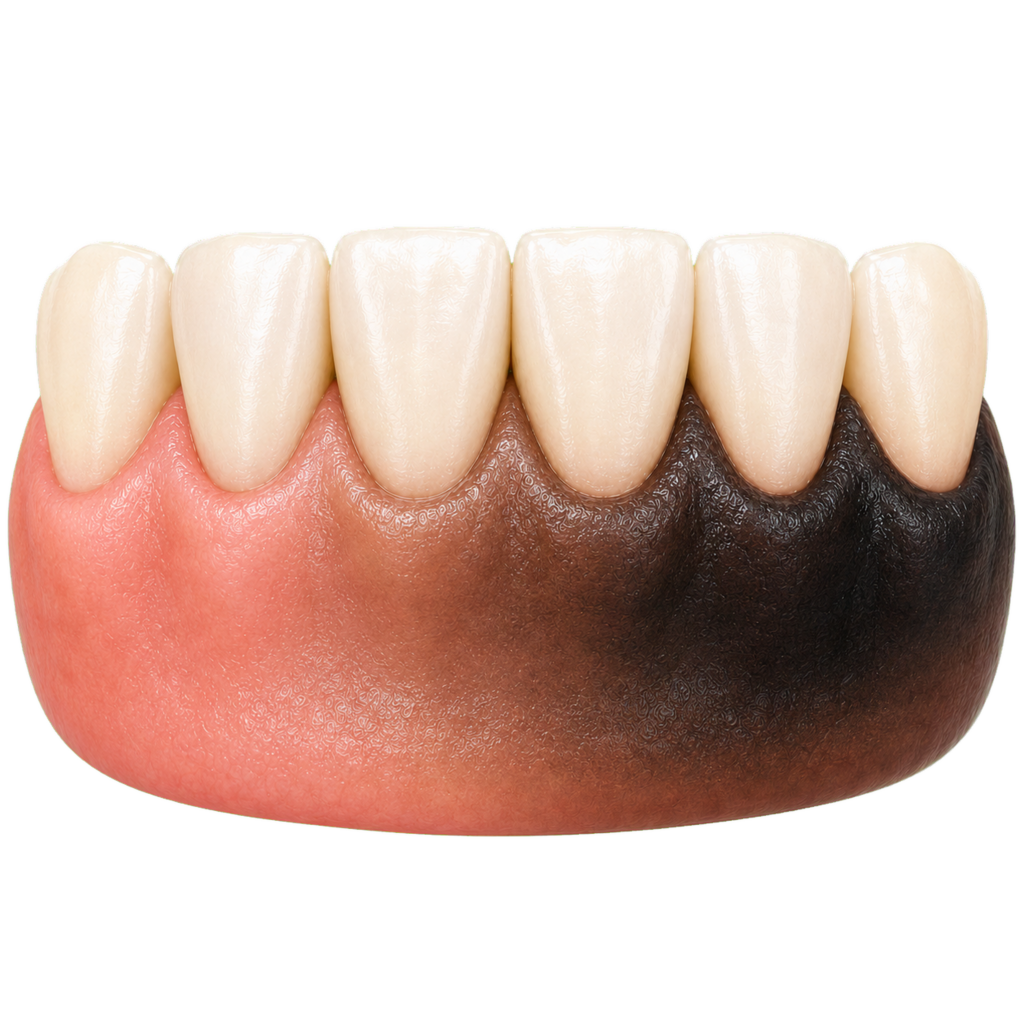
Gum pigmentation, brown, dark, or black gums are often caused by natural melanin pigmentation and do not necessarily indicate gum disease. After a professional assessment, the appearance may be improved through gum depigmentation or laser gum lightening to achieve a more even gum color.
Periodontal pockets are deep spaces that develop between the gums and teeth due to periodontitis and bacterial buildup. They may cause bleeding gums, bad breath, and bone loss. Periodontal pocket treatment may include deep cleaning and periodontal surgery when necessary.
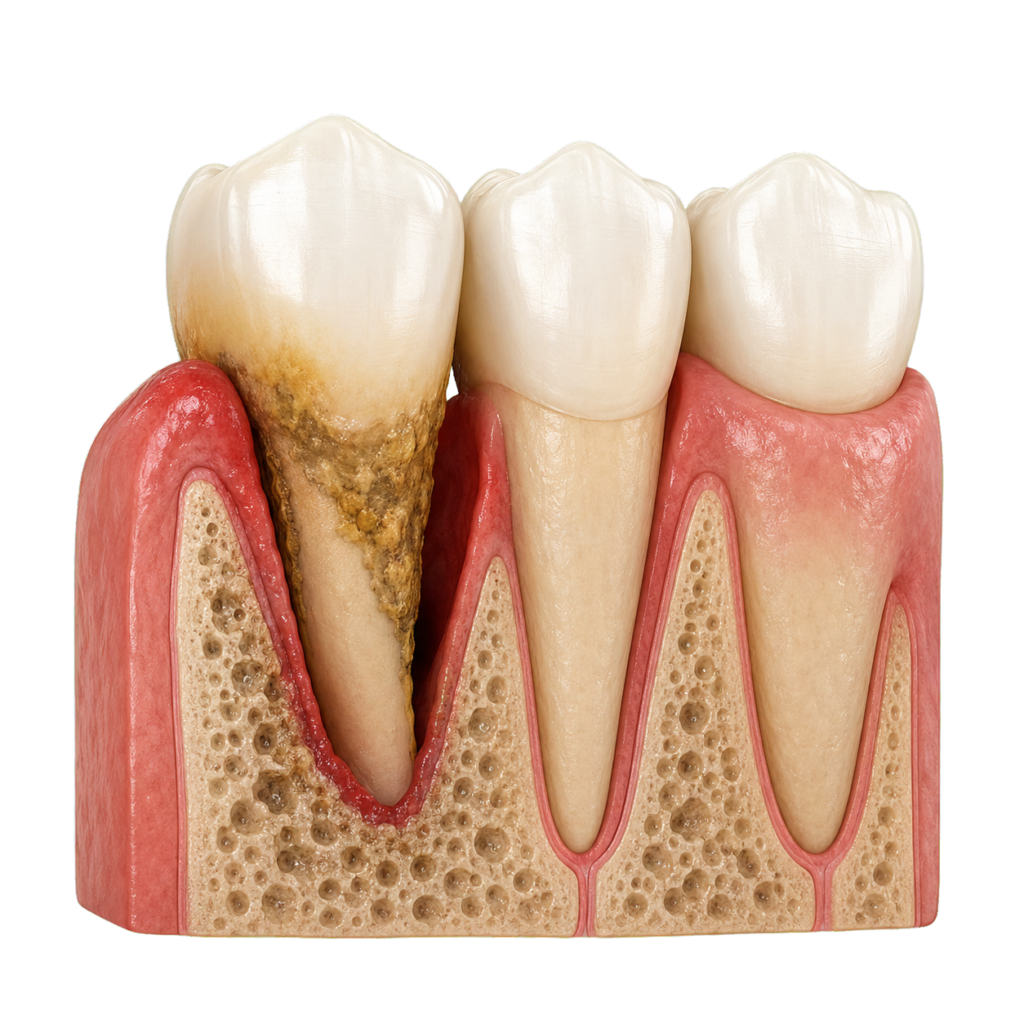
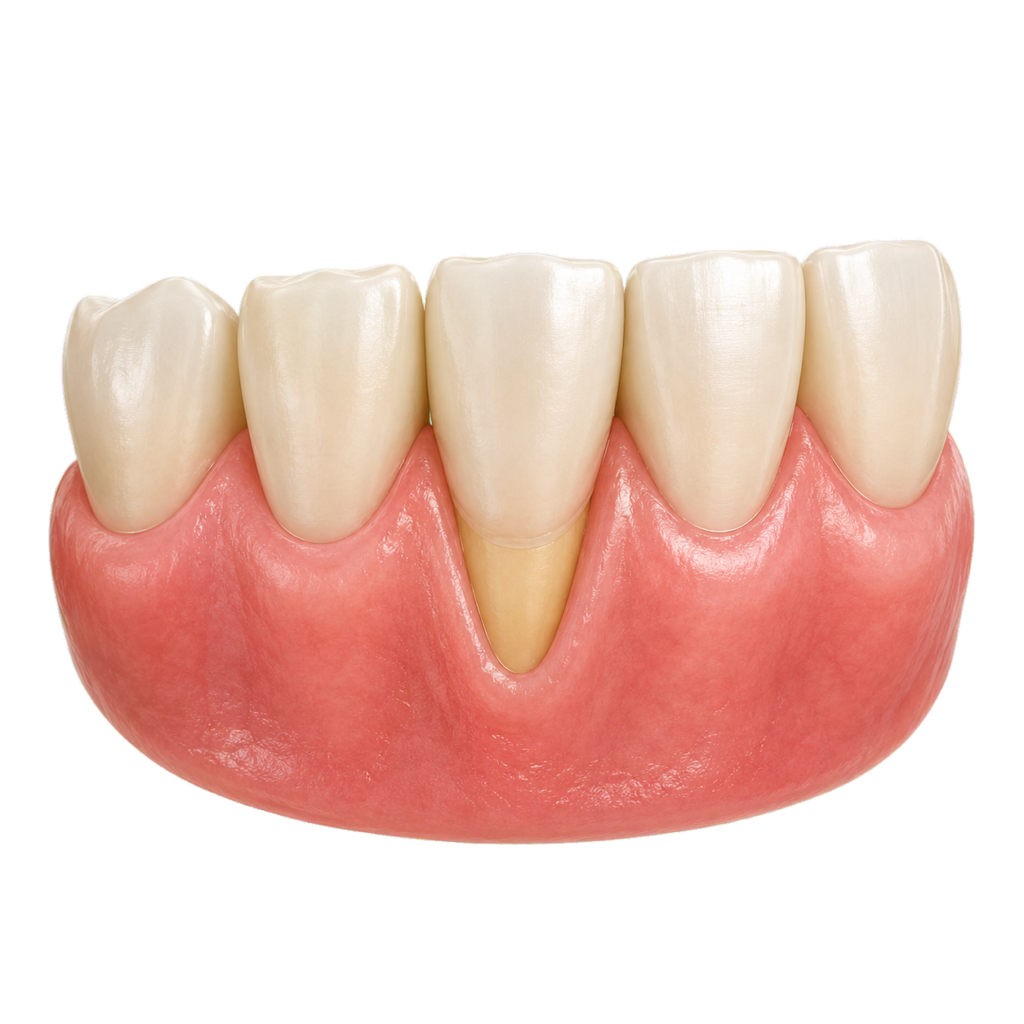
Gum recession occurs when the gum margin moves away from its natural position, making the teeth appear longer and exposing their roots. Gum recession treatment may include gum grafting and root coverage procedures, depending on the cause and severity of the recession.
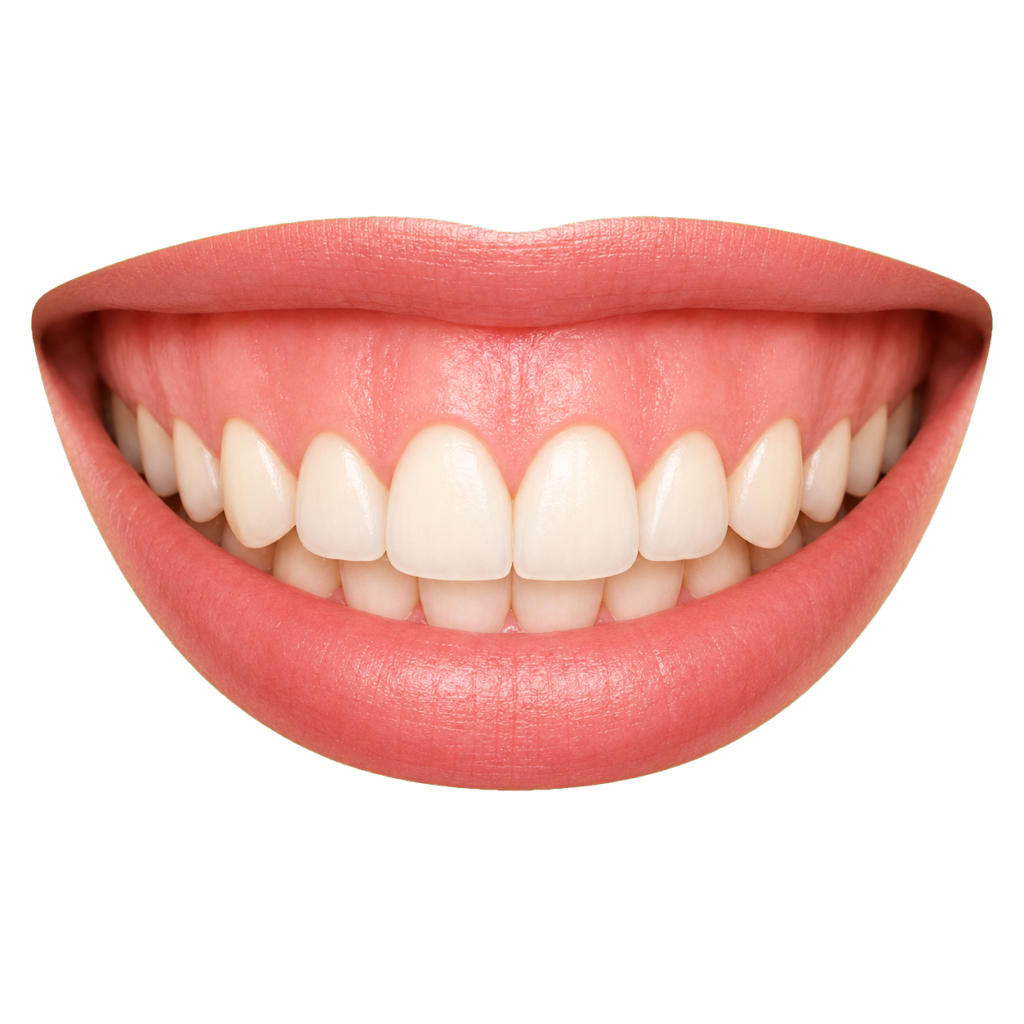
A gummy smile occurs when an excessive amount of upper gum tissue is visible while smiling. It may be related to tooth shape, excess gum tissue, or upper-lip movement. Treatment options may include gum contouring or crown lengthening to create a more balanced smile.
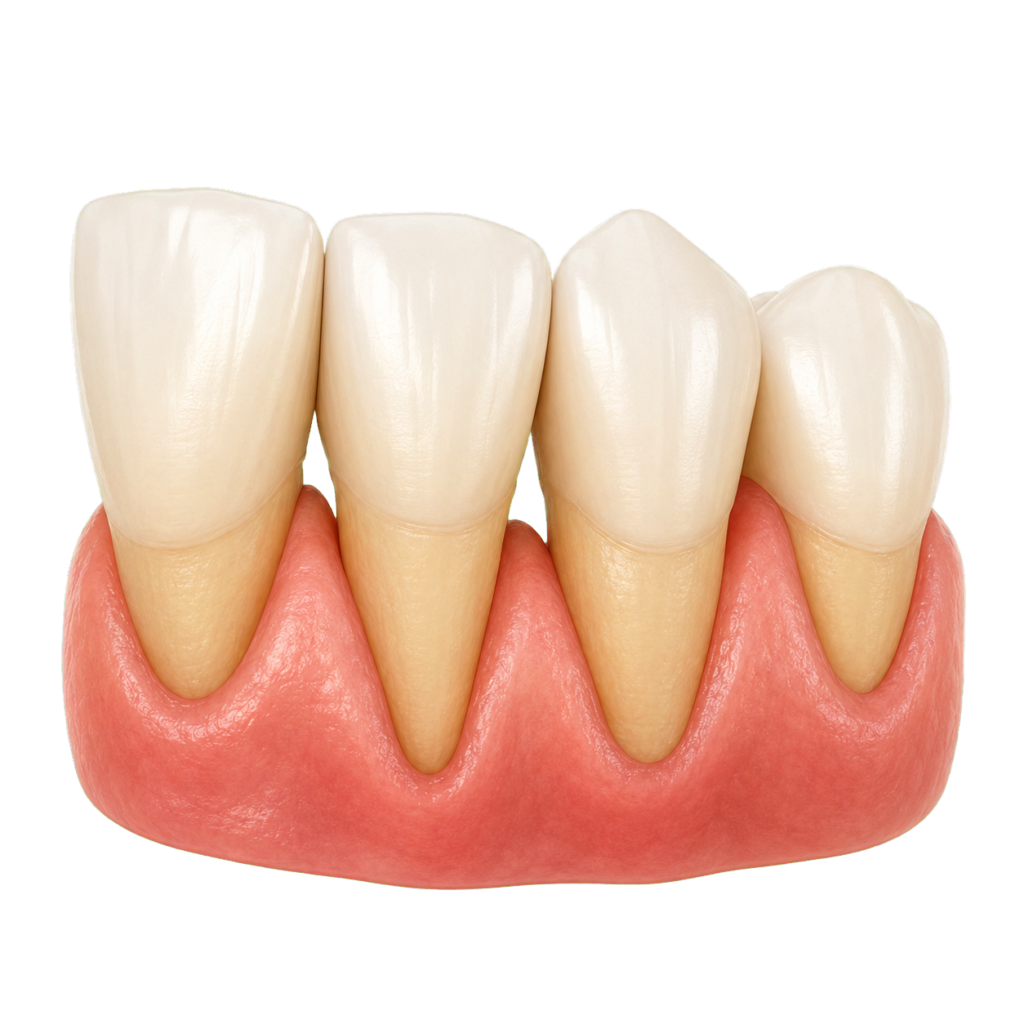
Exposed tooth roots commonly result from gum recession and may cause sensitivity to cold drinks, discomfort while brushing, or root decay. Root coverage procedures and gum grafting can help protect the exposed roots while improving comfort and the appearance of the smile.
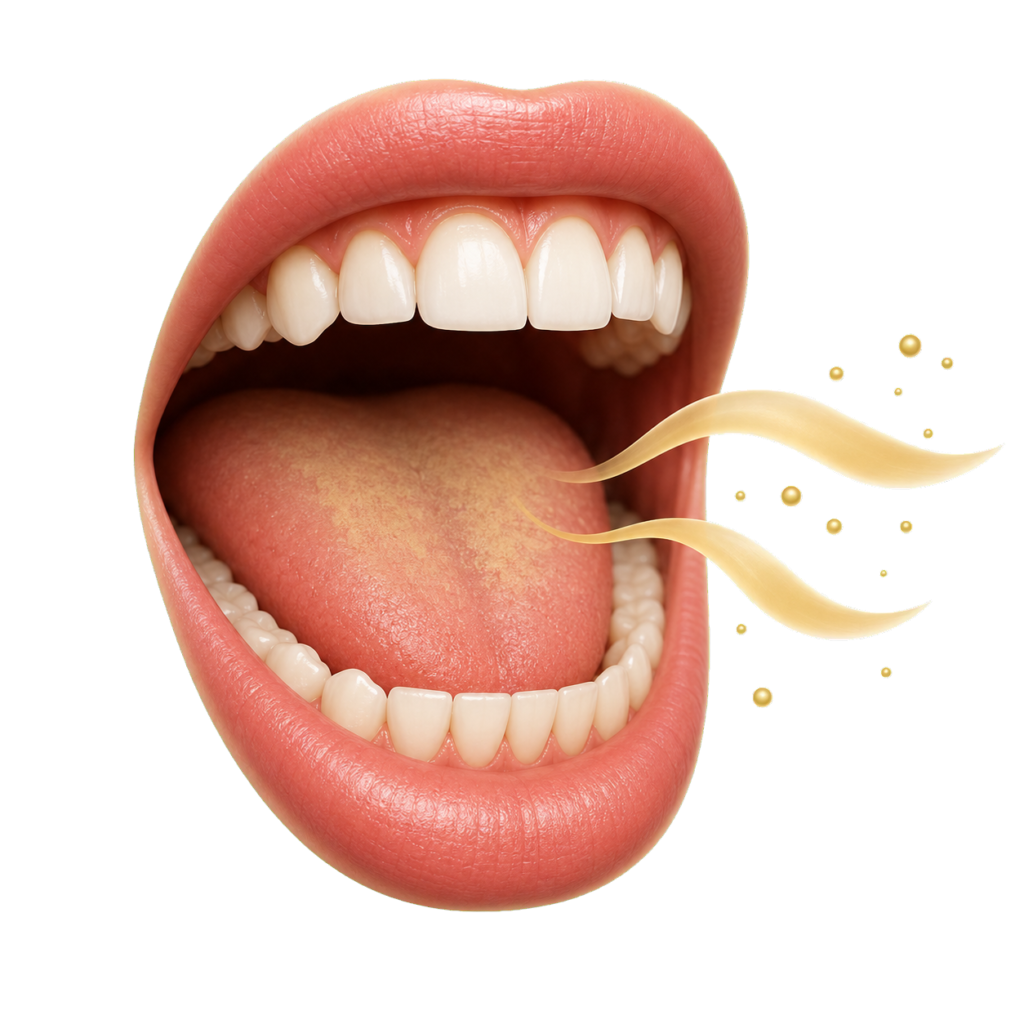
Persistent bad breath that does not improve after brushing may be associated with tartar buildup, gum inflammation, periodontal pockets, or tongue coating. Bad breath treatment begins by identifying the underlying cause and treating any dental or periodontal condition contributing to the problem.
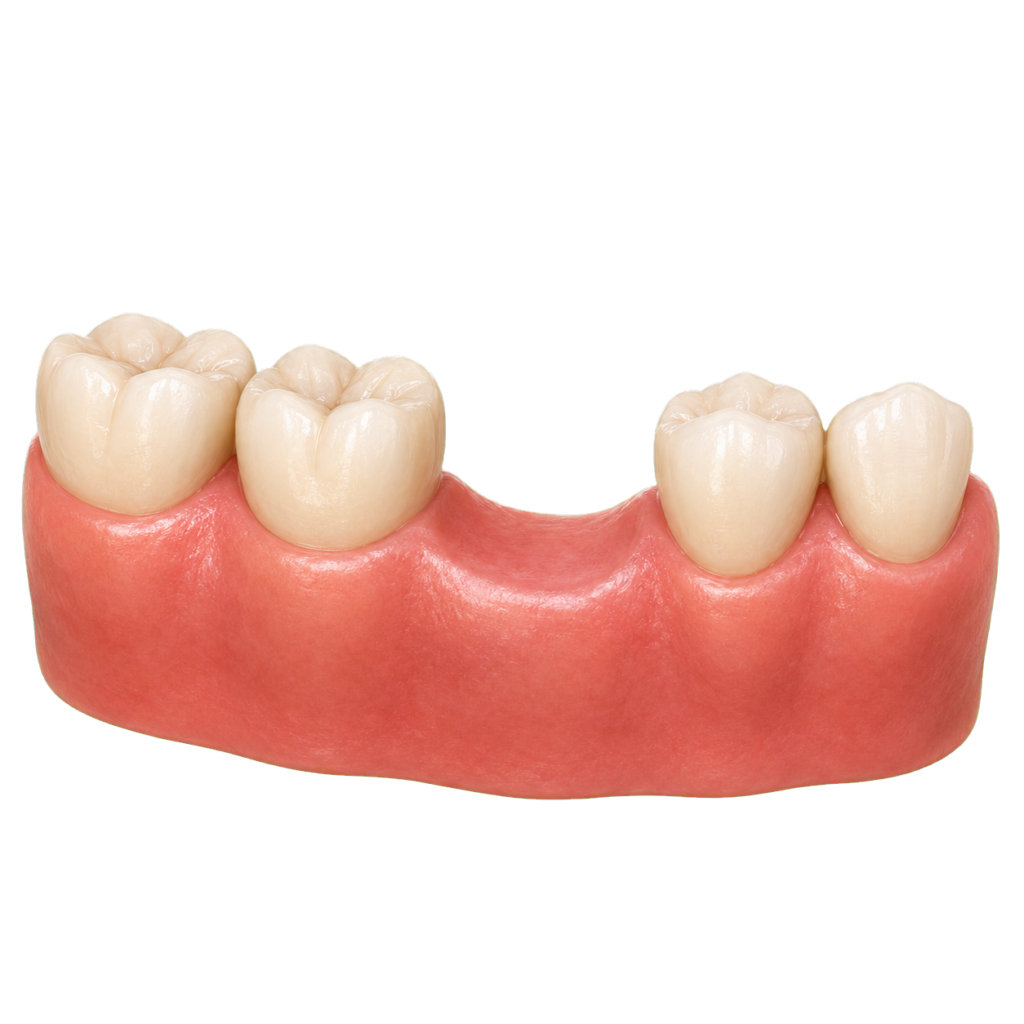
Losing one or more teeth may affect chewing and speech and can eventually lead to tooth movement and jawbone loss. Missing teeth can be replaced with dental implants or bridges after assessing gum health and the amount of available bone.
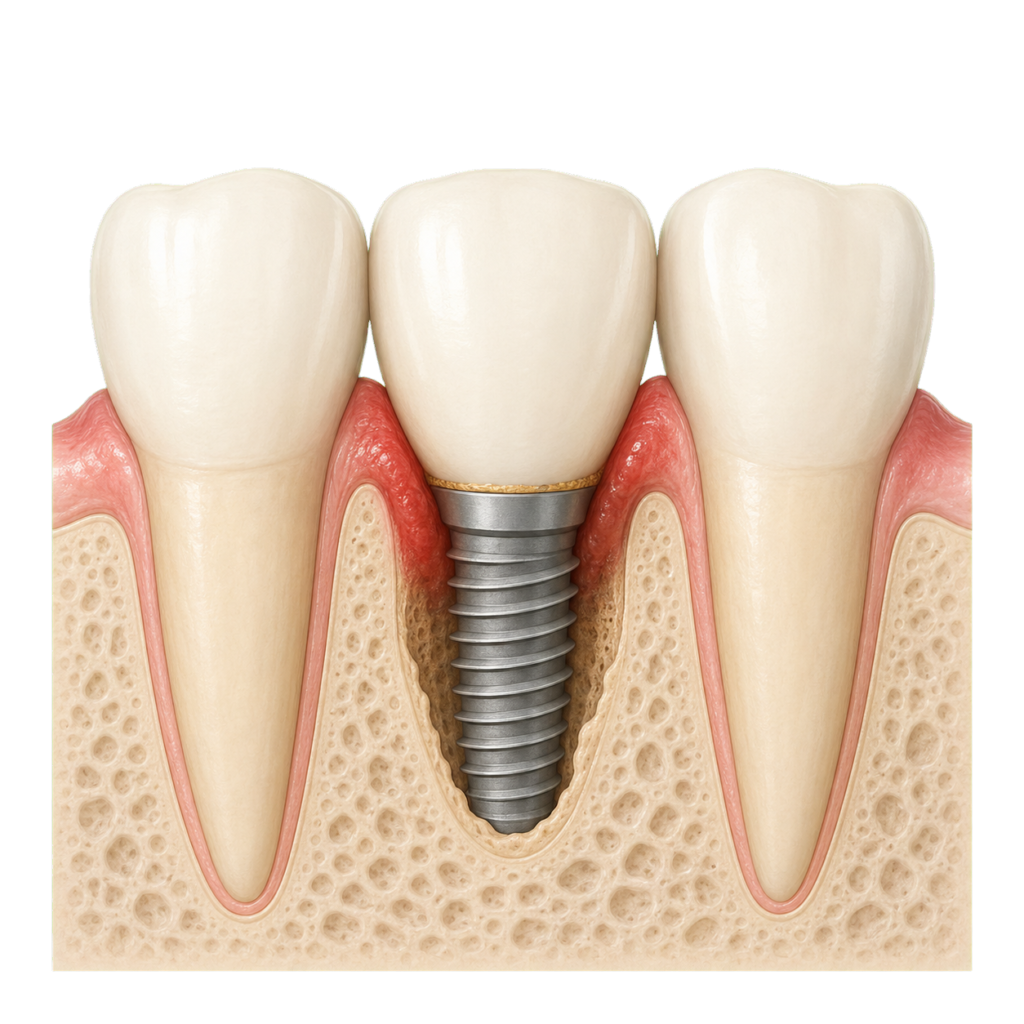
Peri-implantitis may cause bleeding, swelling, unpleasant odor, gum recession, or bone loss around a dental implant. Peri-implantitis treatment focuses on cleaning the implant surface, removing bacteria, and controlling inflammation. Advanced cases may also require bone regeneration procedures.
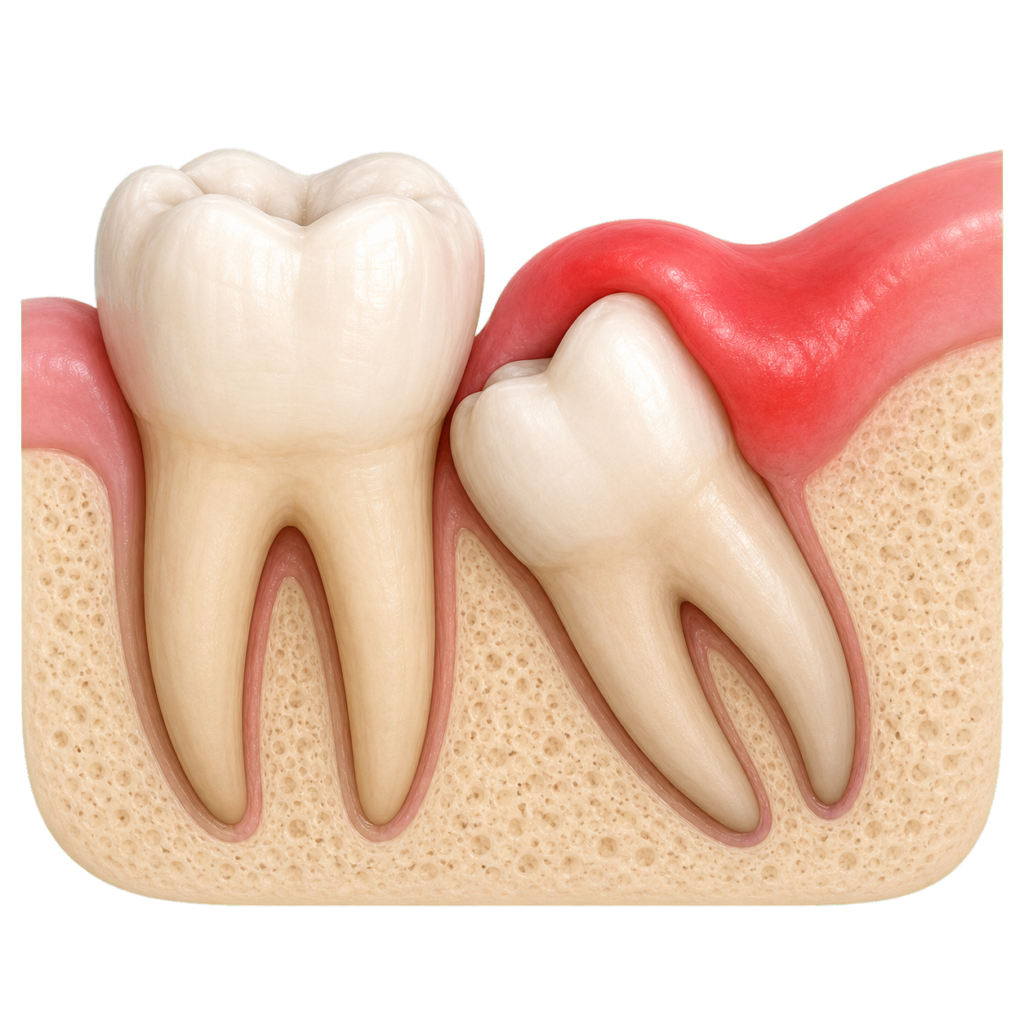
Inflammation around a wisdom tooth, known as pericoronitis, commonly occurs when the tooth is partially erupted or impacted and bacteria collect beneath the gum flap. It may cause pain, swelling, difficulty opening the mouth, or bad breath. Treatment may involve cleaning, controlling the infection, or wisdom tooth removal.