
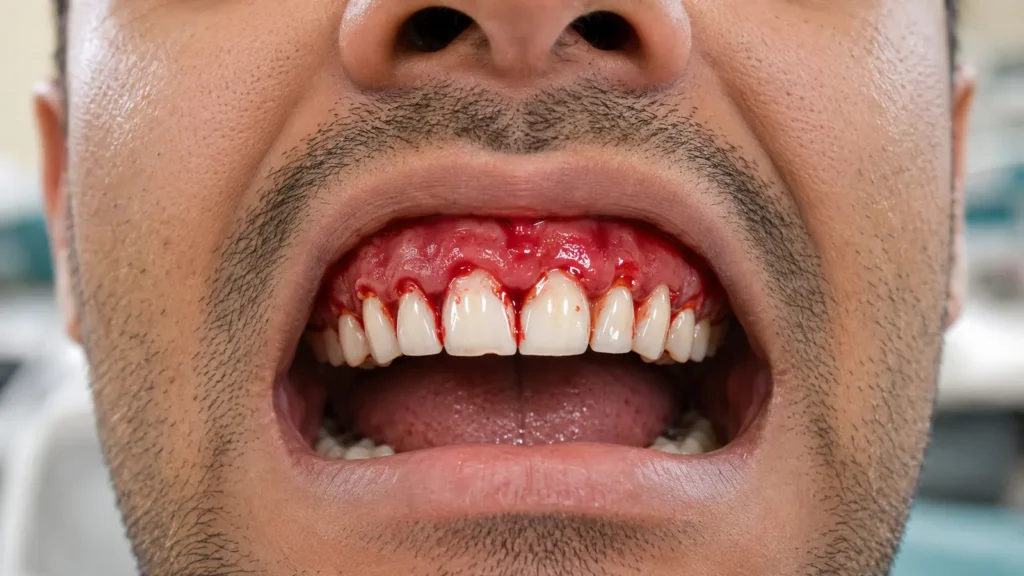
Bleeding gums should not be dismissed as normal, even when they bleed only during brushing or flossing. The most common cause is plaque-induced gingivitis, but bleeding may also indicate periodontitis, traumatic brushing, medication effects or a medical factor. Early assessment usually makes treatment simpler and helps protect the gum and bone supporting the teeth.
What is the condition?
Bleeding occurs when inflamed gum tissue becomes fragile and its small blood vessels bleed easily. Gingivitis is inflammation without bone loss. If disease extends into the supporting tissues, periodontal pockets and progressive bone loss can develop.
Symptoms and signs
- Blood on the toothbrush or in saliva after cleaning
- Bleeding with flossing or when eating firm food
- Red, puffy or tender gums
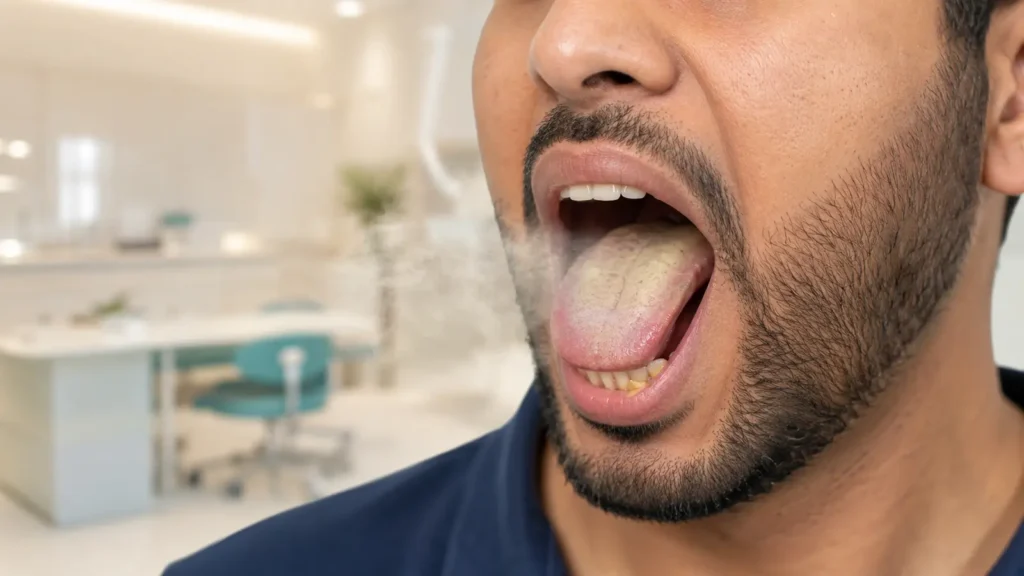
- Persistent bad breath or an unpleasant taste
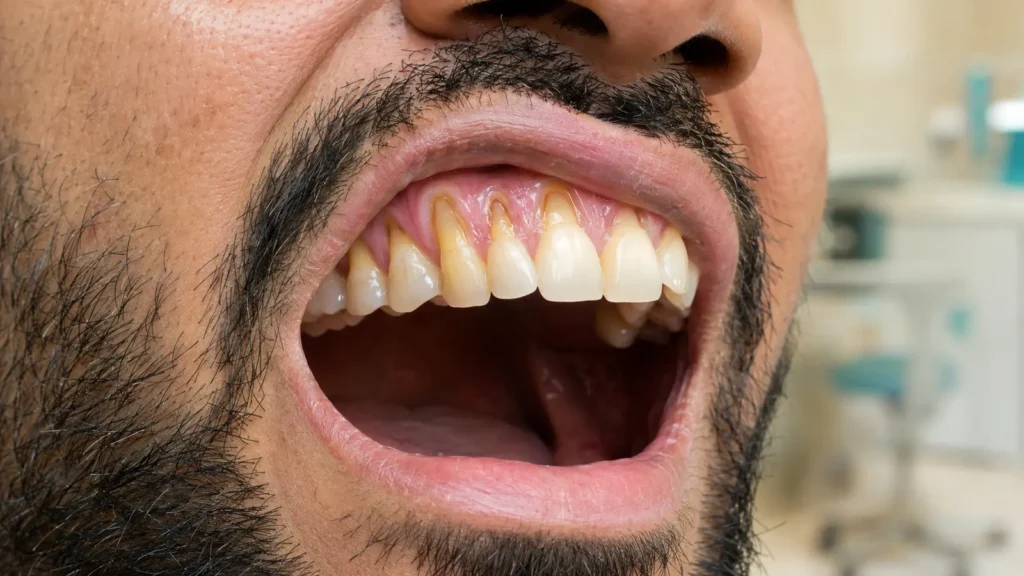
- Recession, spacing or tooth mobility in advanced disease
Causes and risk factors
- Plaque and calculus accumulation
- Periodontitis and deep periodontal pockets
- Aggressive brushing or incorrect interdental cleaning
- Hormonal changes and medicines that influence bleeding or gum tissue
- Smoking, poorly controlled diabetes and ineffective plaque control
- Less common systemic causes, particularly when bleeding is spontaneous or unusually heavy
When should you see a periodontist?
Arrange an examination if bleeding lasts longer than a week, keeps returning despite good cleaning, occurs spontaneously, or accompanies swelling, pus, persistent odour or loose teeth. Heavy bleeding that does not stop, especially with unexplained bruising, requires prompt medical advice.
How is it diagnosed?
Assessment includes medical and medication history, plaque and calculus evaluation, bleeding scores and periodontal pocket measurements. Dental radiographs may be needed to assess bone levels, while smoking and diabetes are considered as risk modifiers.
Treatment options
- Personalised brushing and interdental-cleaning instruction
- Professional removal of plaque and calculus
- Scaling and root-surface debridement when periodontitis is present
- Correction of plaque-retentive restorations where indicated
- Periodontal surgery for selected pockets that remain deep
- A short course of antiseptic mouthwash only when prescribed; mouthwash cannot remove calculus
Recovery and expected outcomes
Bleeding may begin to reduce within days of effective plaque control. Tissue response after professional treatment develops over several weeks. Periodontitis requires reassessment and long-term supportive care.
Prevention and daily care
- Brush twice daily with a soft brush and gentle pressure
- Clean between teeth every day
- Attend maintenance at an interval based on risk
- Stop smoking and optimise diabetes control
- Never stop prescribed blood-thinning medicine without medical advice
Related articles
- Conditions we treat
- Swollen Gums: Causes, Treatment and Warning Signs
- Periodontal Pockets: Causes, Measurement and Treatment in Dubai
Frequently asked questions
Are bleeding gums normal?
No. Brief bleeding may occur when cleaning inflamed areas, but persistent bleeding needs assessment.
Can mouthwash cure bleeding gums?
It may reduce bacteria temporarily, but it cannot remove calculus or treat deep pockets.
Can bleeding gums cause tooth loss?
Bleeding itself does not, but untreated periodontitis that causes bleeding can destroy supporting bone.
Is treatment painful?
Local anaesthetic can be used for deeper cleaning; temporary sensitivity afterwards is common.
Medical notice: This information is educational and does not replace a clinical examination. Treatment, recovery and outcomes vary with the diagnosis and the patient’s health.