
Dental implants are considered one of the most advanced solutions in modern dentistry, offering a permanent and effective way to replace missing teeth while restoring both function and aesthetics. Despite the high success rates of this procedure, dental implant complications can still occur in certain cases, especially when proper planning or post-operative care is lacking. In this article, presented by Dr. Mohammed Qasem’s Clinic—Specialist in Periodontology and Implant Dentistry in the UAE—we provide a clear and professional overview of potential causes, prevention strategies, and treatment options.
What Are Dental Implant Complications?
Dental implant complications refer to any issues that may arise during or after the implant procedure, whether in the short or long term. These complications can range from mild and temporary symptoms to more serious conditions requiring specialized intervention.
Common Complications:
- Peri-implantitis: Inflammation affecting the tissues surrounding the implant, potentially leading to bone loss.
- Failure of osseointegration: When the implant does not properly fuse with the jawbone.
- Bacterial infection: Often caused by poor oral hygiene or inadequate sterilization.
- Nerve damage: Rare, but may result in numbness or persistent pain.
- Mechanical issues: Such as implant fracture or loosening of the crown.
Main Causes:
- Poor bone density
- Untreated gum disease
- Smoking
- Chronic conditions like uncontrolled diabetes
- Limited clinical experience or outdated techniques
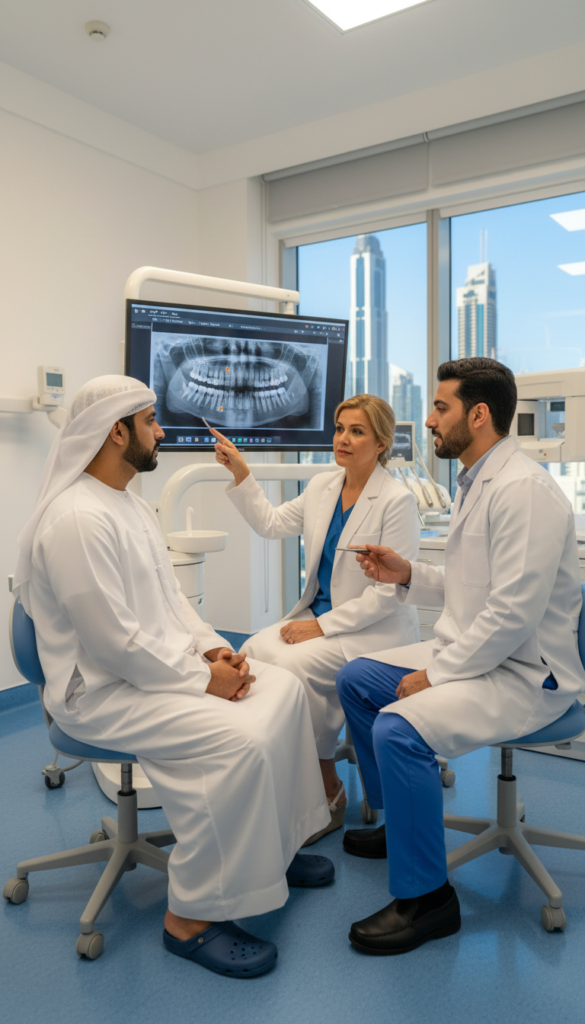
At Dr. Mohammed Qassem’s Clinic, the risk of dental implant complications is minimized through accurate diagnosis using advanced 3D imaging and personalized treatment planning.
Benefits and Importance of Understanding Dental Implant Complications
Although the title may seem unusual, understanding dental implant complications offers significant benefits for both patients and clinicians.
Why Awareness Matters:
- Informed decision-making: Patients can better evaluate the procedure.
- Enhanced prevention: Knowing the causes encourages adherence to preventive measures.
- Early detection: Recognizing early signs allows timely intervention.
- Improved long-term outcomes: Regular follow-up reduces complication risks.
Turning Risks into Advantages:
At our clinic, patient education is a top priority. We ensure that every patient understands the potential for dental implant complications and how to effectively prevent them.
Who Is the Ideal Candidate Regarding Dental Implant Complications?
A more accurate question would be: who is the ideal candidate to minimize dental implant complications? Not every patient is immediately suitable without a comprehensive evaluation.
Ideal Candidate Criteria:
- Good overall health
- Healthy gums free of infection
- Adequate bone density
- Commitment to oral hygiene
- Non-smoker or willing to quit
Cases Requiring Special Assessment:
- Diabetic patients
- Individuals with osteoporosis
- Patients with immune disorders
- Those taking medications affecting bone healing
In such cases, additional procedures may be recommended, including:
- Bone grafting prior to implantation
- Delaying the procedure until health conditions stabilize
- Using advanced techniques to reduce risks
Prevention of Dental Implant Complications
Prevention is the cornerstone of successful implant outcomes, and dental implant complications can be significantly reduced by following key medical guidelines.
Before the Procedure:
- Comprehensive dental and periodontal evaluation
- Treating any existing infections
- Following pre-operative instructions
- Quitting smoking
After the Procedure:
- Maintaining excellent oral hygiene
- Using prescribed antiseptic mouthwash
- Avoiding pressure on the implant during initial healing
- Attending regular follow-up visits
The Role of the Specialist:
Choosing an experienced professional like Dr. Mohammed Qassem ensures:
- Use of advanced technologies
- Strict sterilization protocols
- Continuous monitoring after the procedure
Treatment of Dental Implant Complications
When dental implant complications occur, early diagnosis and prompt treatment are crucial to preserving the implant.
Treatment Options:
- Medication: Antibiotics and anti-inflammatory drugs
- Deep cleaning: Removal of bacterial buildup around the implant
- Surgical intervention: In advanced cases to regenerate bone
- Implant removal: In cases of complete failure, with the possibility of re-implantation later
At our clinic, each case is managed individually, with a focus on preserving the implant whenever possible.
Suggested Internal Links
- Dental Implant Services
- Gum Disease Treatment
- Cosmetic Dentistry
- Bone Grafting Procedures
- Advanced Implant Techniques
Frequently Asked Questions About Dental Implants
Are dental implants safe?
Yes, dental implants are highly safe, with success rates exceeding 95% when performed by a qualified specialist.
How long is the recovery period?
Initial healing takes a few days to weeks, while full osseointegration may take several months.
Can implants fail?
Yes, but failure rates are low and usually associated with manageable risk factors.
Is the procedure painful?
Pain is typically mild to moderate and can be controlled with medication.
How can I avoid dental implant complications?
By choosing a skilled specialist, following medical advice, and maintaining good oral hygiene.
Book Your Consultation Today
If you are considering dental implants or experiencing any concerning symptoms, take the first step toward a healthier, more confident smile.
Book your consultation with Dr. Mohammed Qasem today and benefit from expert care and world-class dental solutions.